Bambu Lab connects desktop 3D printers with a broad filament palette, giving makers a path from practical organizers and custom parts to small decorative objects. This edit looks at the machines and materials as a way to keep an idea moving from screen to hand.
Bambu Lab 3D Printers and Filament: From Sketch to Useful Objects
A Maker's Workbench
Bambu Lab introduces itself as a consumer technology company focused on desktop 3D printers, and its own account traces the beginning of its printer story to the X1 series. I like that origin point because it places the brand at the meeting of code and touch: a digital file becoming something you can hold, use, or give away. The company says its team came together from 3D-printing enthusiasts and engineers with backgrounds in robotics, artificial intelligence, materials science, and internet industries. That is a specific mix of disciplines, and it helps explain why Bambu Lab speaks about printing as both machinery and creative practice.
The About page lists sites in Shenzhen and Shanghai in China and Austin, Texas, and describes the company as part of the 3D-printing ecosystem, learning from and sharing with its community. In a 2022 update, Bambu Lab said it had worked on the X1 for two years before its Kickstarter campaign and reported that almost every campaign printer had been sent to its new owner. I like that community-first chapter as context for a brand whose products sit on a desk and invite people to keep experimenting. For another take on small consumer technology, the story of an AI keychain is a different object with its own everyday rituals. This piece turns to printers and filament as tools for the ideas people want to make real.

A1 Mini 3D Printer
Bambu Lab
$219.99

A1 Combo 3D Printer
Bambu Lab
$359.99

P1S Combo 3D Printer
Bambu Lab
$479.99

P2S AMS Combo 3D Printer
Bambu Lab
$649.99

X2D AMS Combo 3D Printer
Bambu Lab
$789.99

H2S AMS Combo 3D Printer
Bambu Lab
$1,249.99

H2D AMS Combo 3D Printer
Bambu Lab
$1,599.99

H2C AMS Combo 3D Printer
Bambu Lab
$1,899.99
Printers for Real Projects
Printers are easiest to think about as companions to a real project, not trophies for a desk. A1 Mini 3D Printer and A1 Combo 3D Printer are two distinct starting shapes in this lineup, while the P1S Combo 3D Printer, P2S AMS Combo 3D Printer, and X2D AMS Combo 3D Printer widen the selection. Bambu's official A1 page describes full-auto calibration and multi-color printing for the Combo version, with AMS lite included. That feature matters most when color is part of the object itself, not just a novelty you might try once. I would sketch out a few likely projects first: a hook, a small organizer, a model, or a replacement part, then plan where printed pieces will live.
The H2S AMS Combo 3D Printer, H2D AMS Combo 3D Printer, and H2C AMS Combo 3D Printer round out the range in the brief, so the right choice begins with what you actually expect to make and the space you can devote to a printer. Be honest about the household's tolerance for an ongoing making station, including a surface, tools, and a safe place for filament. The skip for me is building a workstation around a machine before a project has become a habit. If the room also needs to earn its footprint, a Murphy bed and desk combination is an interesting adjacent planning read. I like a setup where the printer is within reach but the rest of the room still feels like a room. Make the first print something useful enough to keep, and the next idea has somewhere to go.


Keep the Next Print in Mind
Filament is where an object's surface and purpose start to diverge. PLA Basic Filament gives a familiar foundation, while PLA Matte Filament makes a different finish part of the idea from the start. For parts that need repeated flexing, Bambu Lab describes PLA Tough+ as designed for bending applications such as clips and connectors. PETG HF Filament has a smooth texture in the brand's own description, and I would reserve it for a project that fits the material's instructions. A spool can quietly shape the final feeling of an object, so I like choosing around the result I want to see and touch rather than collecting colors on impulse.
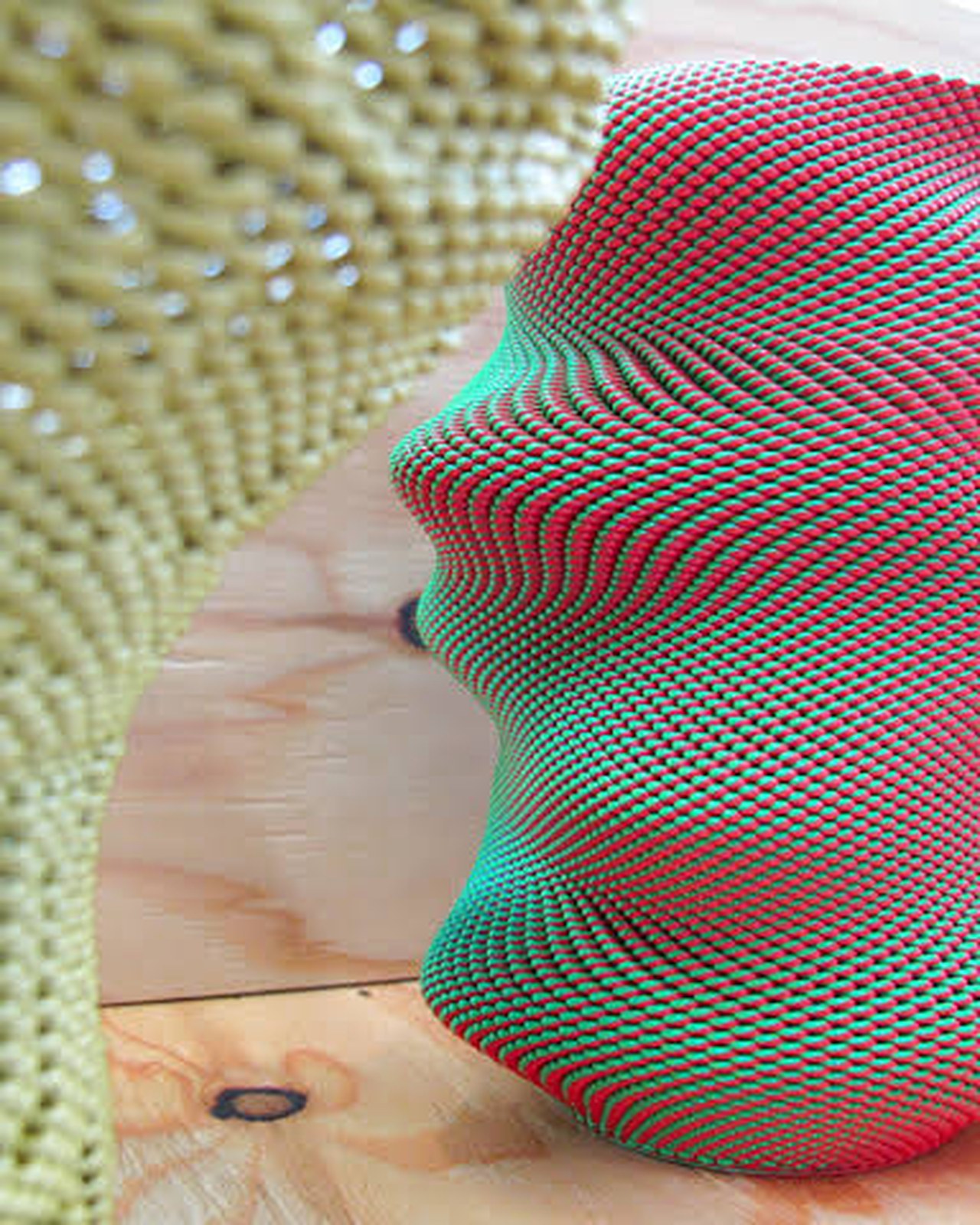
PLA Silk Dual Color Filament is for a more decorative note: Bambu describes two distinct hues in one strand that shift as the finished object turns. PLA Glow Filament and PLA Basic Gradient Filament push the same conversation toward effects, while PETG Translucent Filament suggests a different visual direction by name. I would try the most playful spool on one small object that gets to be looked at, then let the rest of the project stay simple. What I would skip is making every print a special effect. PLA Basic has a useful role as the familiar point of reference, and a little contrast can make the more expressive filament feel deliberate. In the end, Bambu Lab makes most sense to me when an everyday thing becomes a reason to experiment: a small fixture, a desk object, or a gift made with someone's particular habits in mind. Make a piece, live with it, then decide what the next material should help you do.