I sort Chopard jewelry and watches by collection, from Happy Diamonds to Alpine Eagle. I say where I would start and what I would leave for later.
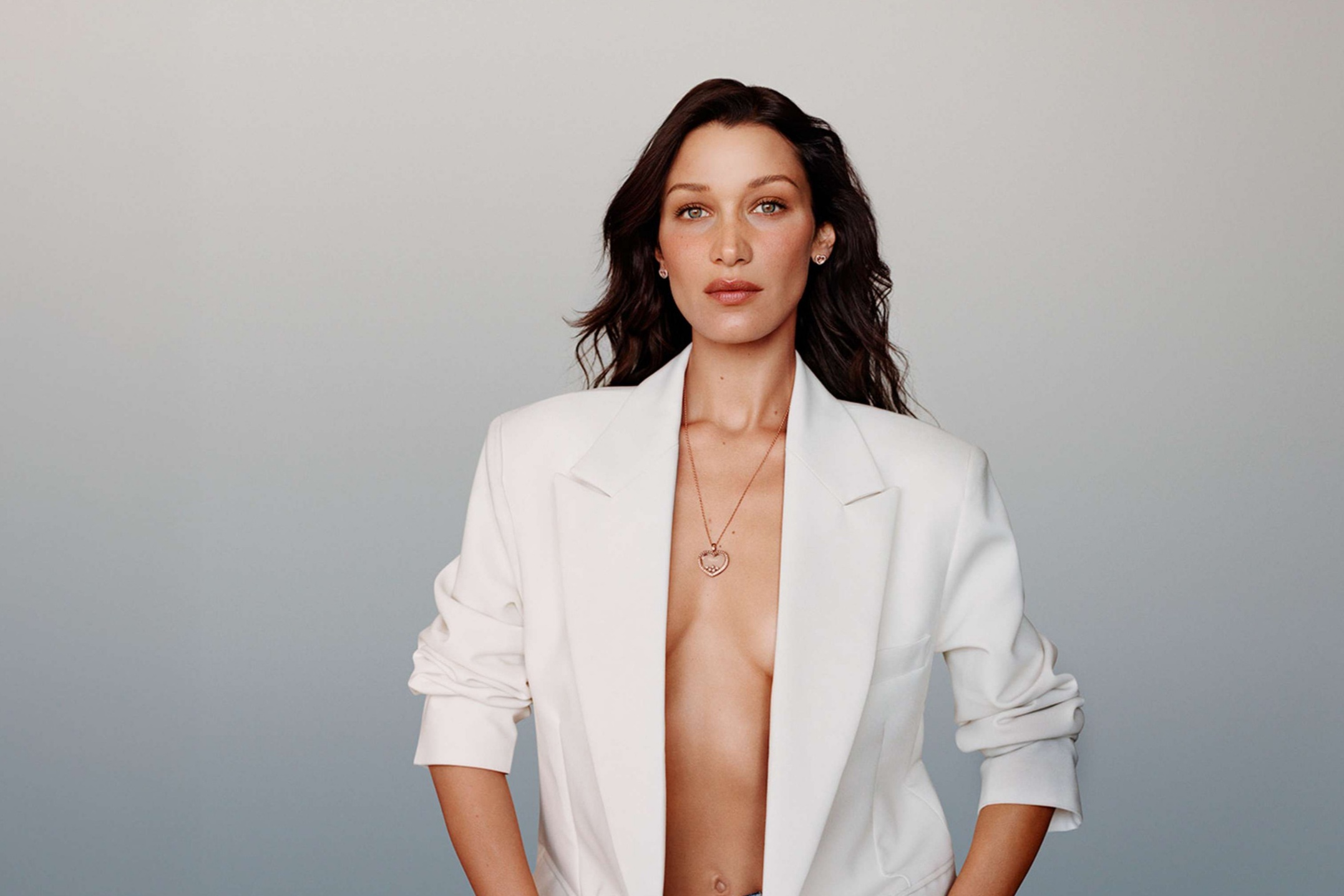
Chopard, From Happy Diamonds to Alpine Eagle: Where to Start
Chopard jewelry and watches, from Happy Diamonds and Happy Hearts through Alpine Eagle and L.U.C.
Chopard was founded in 1860 in Sonvilier, Switzerland, by 24-year-old Louis-Ulysse Chopard, who built a high-precision watch manufactory for pocket watches and chronometers. The Maison moved to Geneva in 1937.
In 1963, Karl Scheufele III acquired Chopard and, with his wife Karin, helped grow the Maison. I like seeing that story move from playful jewelry to serious watchmaking. Each grid below is one Chopard collection, so you can go straight to the line you care about.
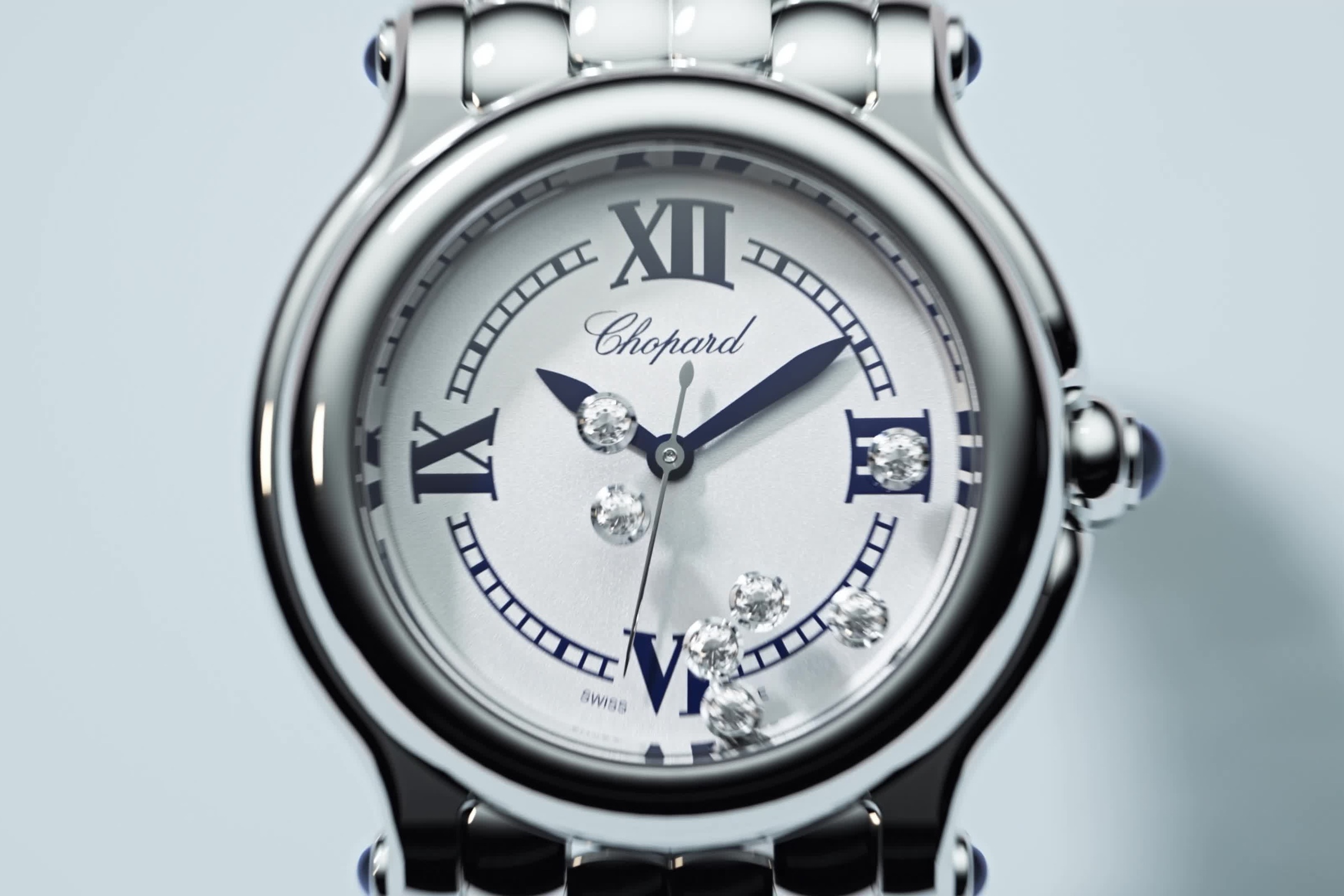
Happy Diamonds
Chopard invented Happy Diamonds in 1976, with free-moving diamonds set between two sapphire crystals. I like that the movement is the point, not just a detail on the surface.
I picked eight Happy Diamonds Icons pieces: five pendants, two earring styles and one ring, in white, yellow and rose gold. A practical tip: begin with the pendant if you want the floating-diamond detail close to the face. What I would skip is collecting several pendants before you know which size and metal you reach for most.

Happy Diamonds Icons Pendant, ethical white gold, diamonds
Chopard
$8,210

Happy Diamonds Icons Pendant, ethical rose gold, diamonds
Chopard
$6,730

Happy Diamonds Icons Hoop earrings, ethical rose gold, diamonds
Chopard
$6,260

Happy Diamonds Icons Earrings, ethical yellow gold, diamonds
Chopard
$3,150

Happy Diamonds Icons Pendant, ethical white gold, diamonds
Chopard
$10,400

Happy Diamonds Icons Pendant, ethical rose gold, diamonds
Chopard
$7,170

Happy Diamonds Icons Ring, ethical white gold, diamonds
Chopard
$4,020

Happy Diamonds Icons Pendant, ethical yellow gold, diamonds
Chopard
$6,730
Happy Hearts
Happy Hearts pairs colored hearts with Chopard's dancing diamonds, and the line has been a jewelry icon since 2009. I like the small gesture of a single heart, especially when mother-of-pearl brings the color.
I picked four pieces: a pair of white-gold earrings with gradient mother-of-pearl, a rose-gold necklace, a single earring, and a rose-gold bangle with mother-of-pearl. A practical tip: the necklace or paired earrings make easier gifts when ring sizing is uncertain. What I would skip is treating the single earring as a matched pair.

Happy Hearts Earrings, ethical white gold, diamonds, gradient-colored mother-of-pearl
Chopard
$8,850

My Happy Hearts Necklace, ethical rose gold, diamond
Chopard
$8,960

My Happy Hearts Single earring, ethical rose gold, diamond
Chopard
$1,280

Happy Hearts Bangle, ethical rose gold, diamonds, mother-of-pearl
Chopard
$6,090
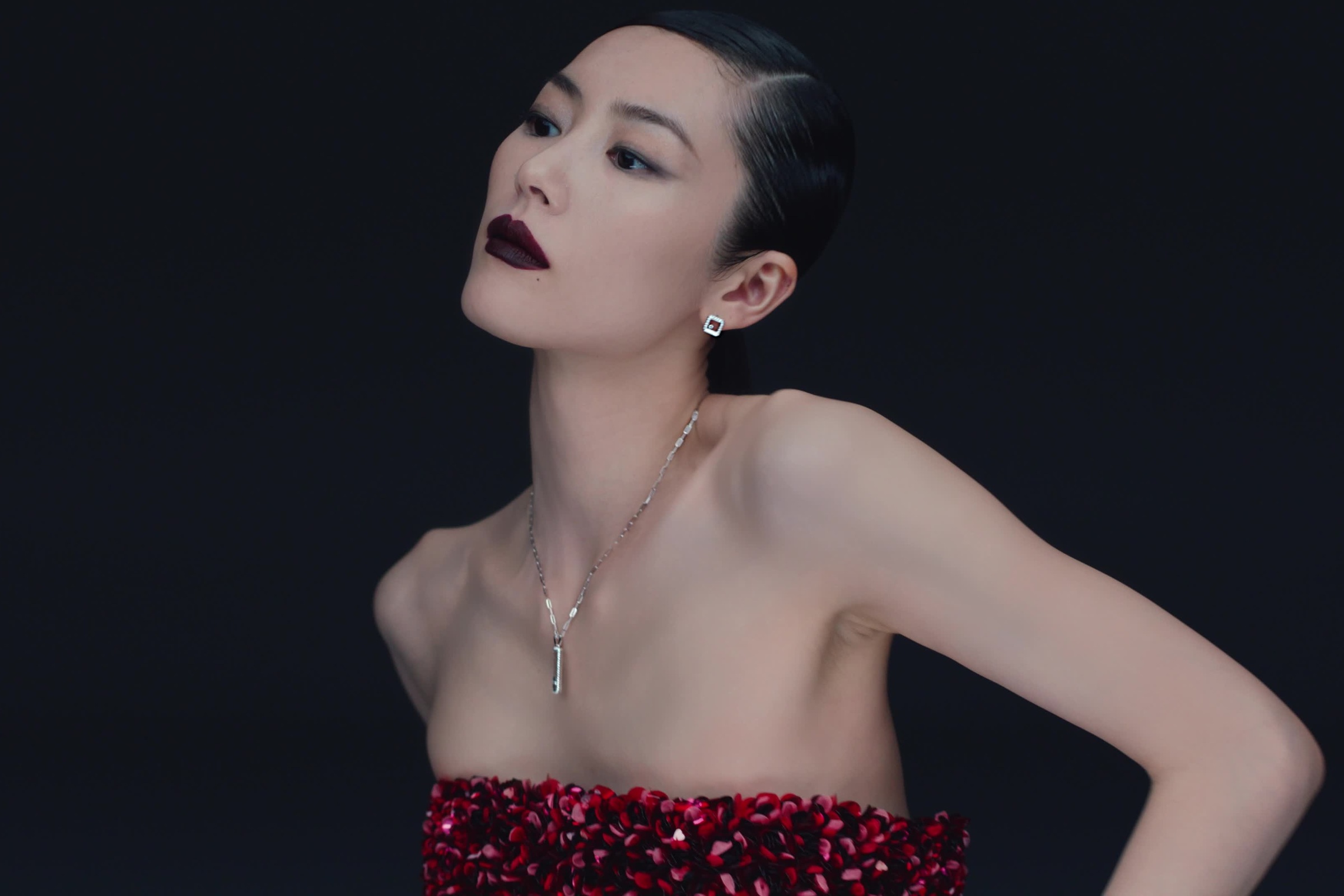
Ice Cube
The Ice Cube line began in 1999, and Chopard describes its modern geometry as inspired by ice cubes. I like the way that simple shape can read as a small, crisp accent rather than a larger motif.
I picked four pieces: three rings and one pair of half-set diamond earrings, across yellow, rose and white gold. A practical tip: choose between a single ring and an earring accent before building a stack. What I would skip is stacking every variation together, since the cube motif is strongest with breathing room.


IMPERIALE
IMPERIALE brings watch details inspired by historical empires: Roman hour markers, openwork sword-shaped hands, a lotus-like crown and column-inspired lugs. I like that the architecture carries through even on the smallest case.
I picked four automatic models: two 36 mm and two 29 mm, in white and rose gold, with one rose-gold and Lucent Steel option. A practical tip: compare the case diameter before deciding between the moonphase and diamond-set dials. What I would skip is the diamond-forward model if you want a watch that disappears under a cuff.

IMPERIALE FOUR SEASONS 36 mm, automatic, ethical rose gold, diamonds
Chopard
$113,500

IMPERIALE Moonphase 36 mm, automatic, ethical white gold, diamonds
Chopard
$84,100

IMPERIALE 29 mm, automatic, ethical rose gold, diamonds
Chopard
$28,000

IMPERIALE 29 mm, automatic, ethical rose gold, Lucent Steel™
Chopard
$8,350
Happy Sport
Caroline Scheufele created Happy Sport in 1993, pairing steel with diamonds and putting the dancing stones on the dial. I like the original sporty shape, which makes the floating diamonds feel playful instead of formal.
I picked eight The First watches, four at 26 mm and four at 33 mm, in Lucent Steel, yellow gold, and combinations of the two. A practical tip: choose the case size before comparing the finishes. What I would skip is this quartz selection if an automatic movement is essential, since every model here is quartz.

Happy Sport The First 26 mm, quartz, Lucent Steel™, diamonds
Chopard
$6,660

Happy Sport The First 26 mm, quartz, ethical yellow gold, Lucent Steel™, diamonds
Chopard
$11,400

Happy Sport The First 26 mm, quartz, Lucent Steel™, diamonds
Chopard
$15,400

Happy Sport The First 26 mm, quartz, ethical yellow gold, diamonds
Chopard
$44,800

Happy Sport The First 33 mm, quartz, Lucent Steel™, diamonds
Chopard
$7,140

Happy Sport The First 33 mm, quartz, Lucent Steel™, diamonds
Chopard
$6,300

Happy Sport The First 33 mm, quartz, ethical yellow gold, Lucent Steel™, diamonds
Chopard
$13,200

Happy Sport The First 33 mm, quartz, ethical yellow gold, Lucent Steel™, diamonds
Chopard
$9,200
Alpine Eagle
Alpine Eagle is a modern reworking of the St. Moritz sports watch, which Karl-Friedrich Scheufele convinced his father to develop in 1980. Chopard says the current collection takes its cues from the Alps and the eagle, with an iris-inspired dial and tapered bracelet details.
I picked eight models: three 36 mm and five 33 mm, from Lucent Steel to yellow- and rose-gold combinations, with diamond-set and simpler dials. A practical tip: compare the two case sizes before choosing a finish. What I would skip is the gold-and-diamond version if you want the collection's purest steel sports-watch look.

Alpine Eagle 36 36 mm, automatic, Lucent Steel™
Chopard
$15,100

Alpine Eagle 36 36 mm, automatic, Lucent Steel™
Chopard
$13,400

Alpine Eagle 36 36 mm, automatic, Lucent Steel™, diamonds
Chopard
$18,800

Alpine Eagle 33 33 mm, automatic, Lucent Steel™, diamonds
Chopard
$17,400

Alpine Eagle 33 33 mm, automatic, Lucent Steel™
Chopard
$12,900

Alpine Eagle 33 33 mm, automatic, ethical yellow gold, Lucent Steel™, diamonds
Chopard
$27,600

Alpine Eagle 33 33 mm, automatic, ethical rose gold, Lucent Steel™
Chopard
$20,600

Alpine Eagle 33 33 mm, automatic, ethical rose gold, Lucent Steel™, diamonds
Chopard
$24,900
L.U.C
L.U.C began with Chopard Manufacture in 1996 and its first in-house calibre, named for founder Louis-Ulysse Chopard. I like this line for the way it puts traditional watchmaking ahead of a showy logo.
I picked four watches: the 1963 Heritage Chronograph, the 1963 Heritage Regulator, the 1860, and the XPS Prussian Blue. A practical tip: compare the manual-winding 1963 models with the automatic 1860 and XPS before you shop. What I would skip is the manual pair if you want the simplest daily winding routine.


Where I would start with Chopard
I would start with the Happy Diamonds Icons Pendant in ethical white gold, reference 79A201-1201, because it gives me the house's floating-diamond idea in a piece that does not require a watch or ring fit. Next I would compare Happy Sport The First at 26 mm with Alpine Eagle 33 mm in person to decide which watch shape I actually want to wear.
At gift time, I would choose a pendant or earrings when size is uncertain. I would store jewelry separately and wipe it with a soft cloth, then follow the model-specific watch manual for service and care.