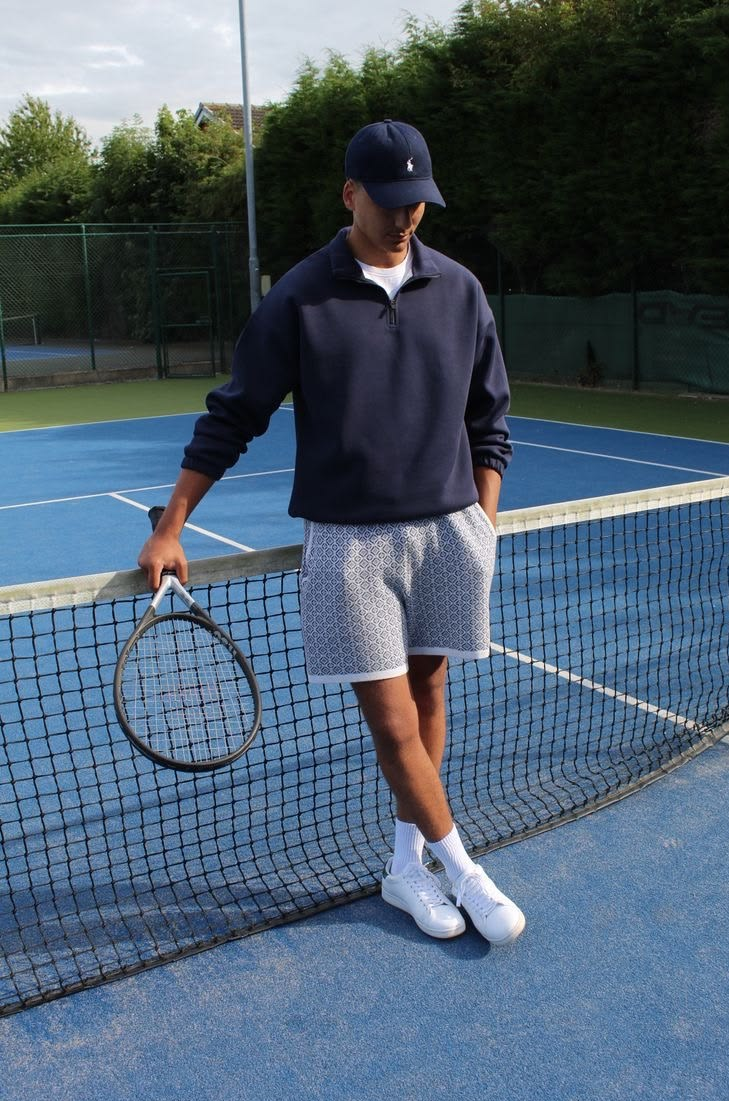
This plaid edit weighs five decisions: fabric, skirt shape, the scale of a coat, the cut of a dress, and the final accessory. I keep finding new ways to make the pattern feel personal without letting it decide the whole outfit.
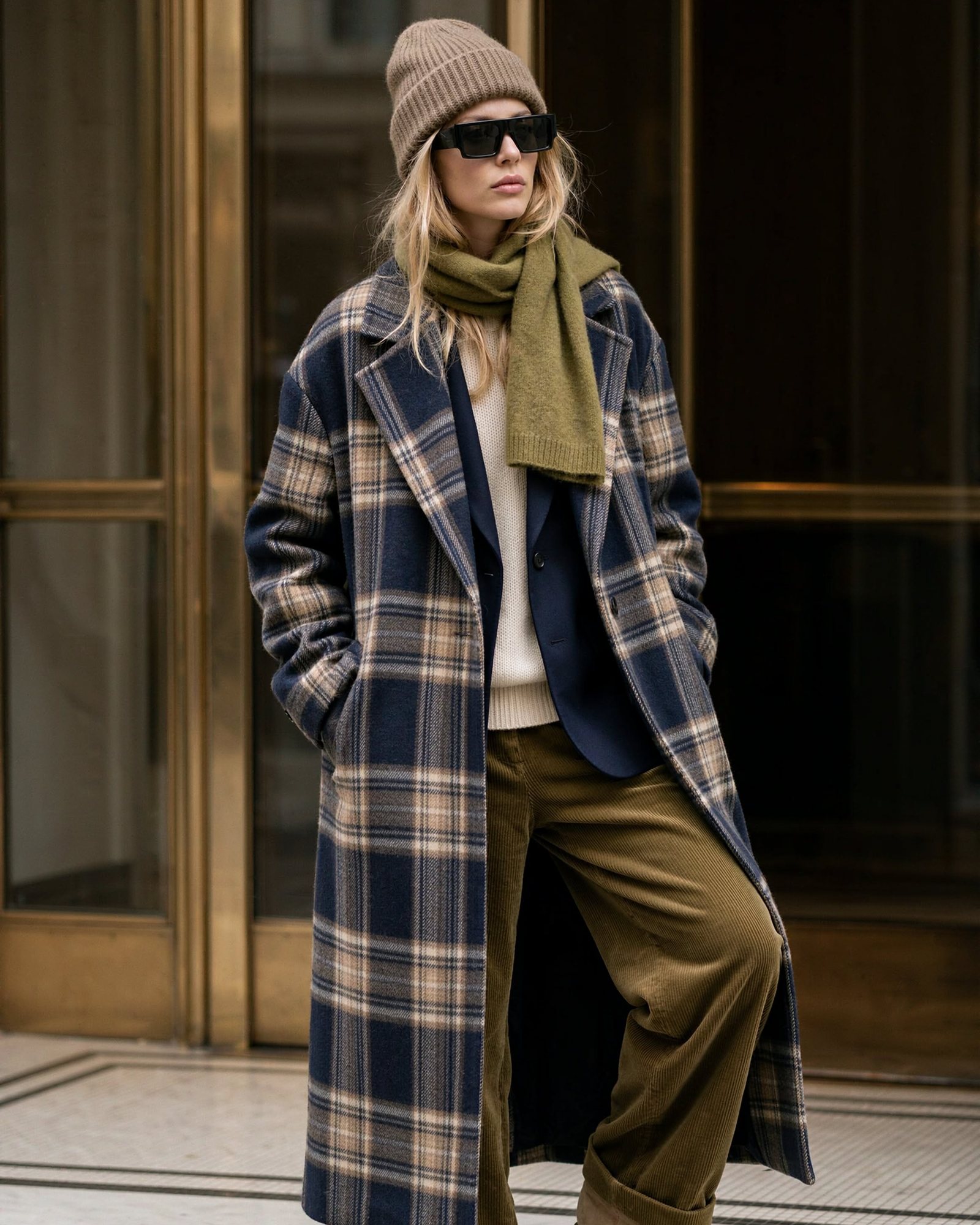
The Plaid Edit: Five Lessons for the Print Back in the Picture
A print with a long memory
I have a habit of spotting plaid from across a room and, within approximately four seconds, sorting the colors, the scale of the check, and whether it looks like an actual outfit or a school uniform. This is not a productive skill. I have no shame about this.
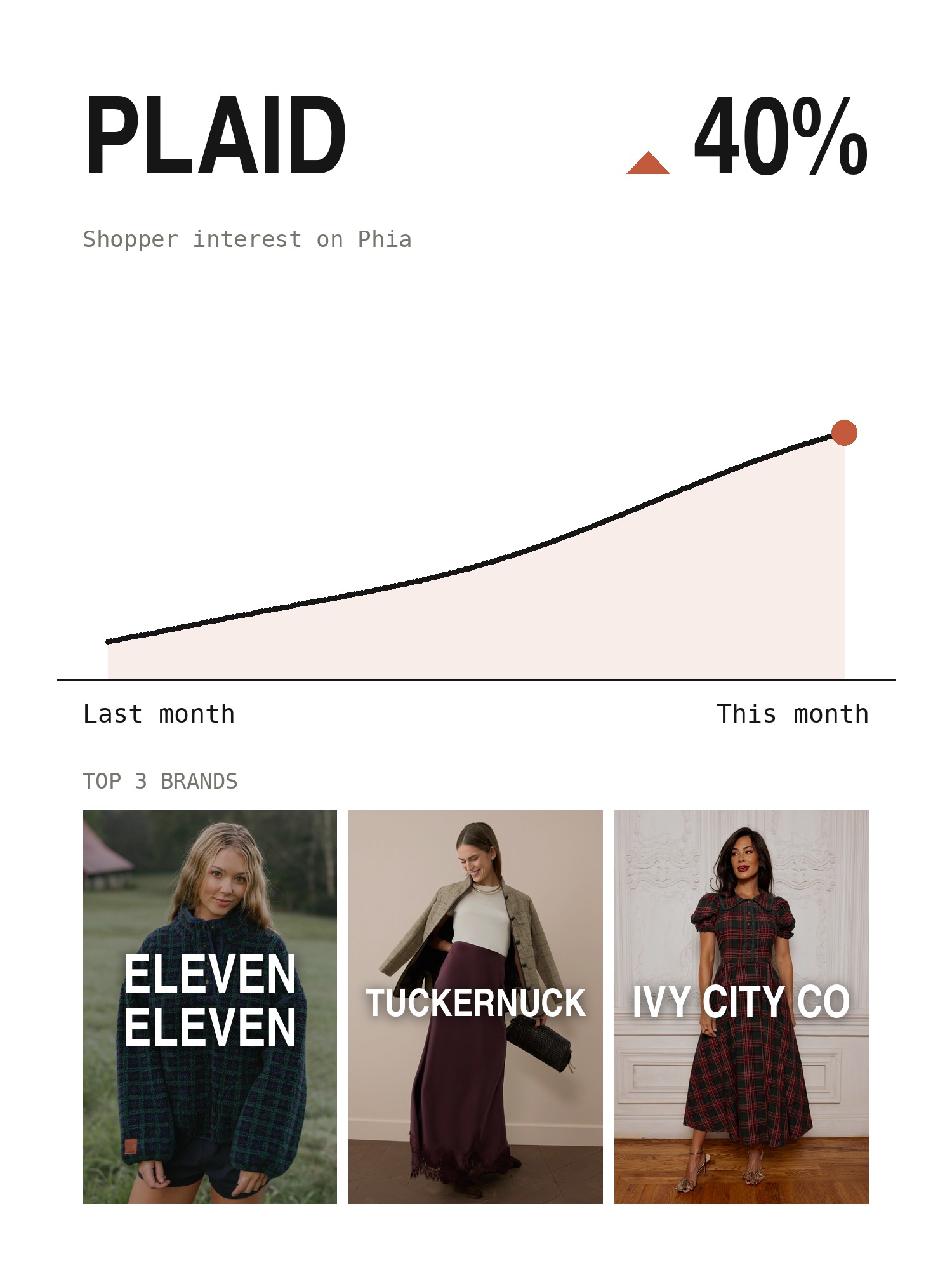
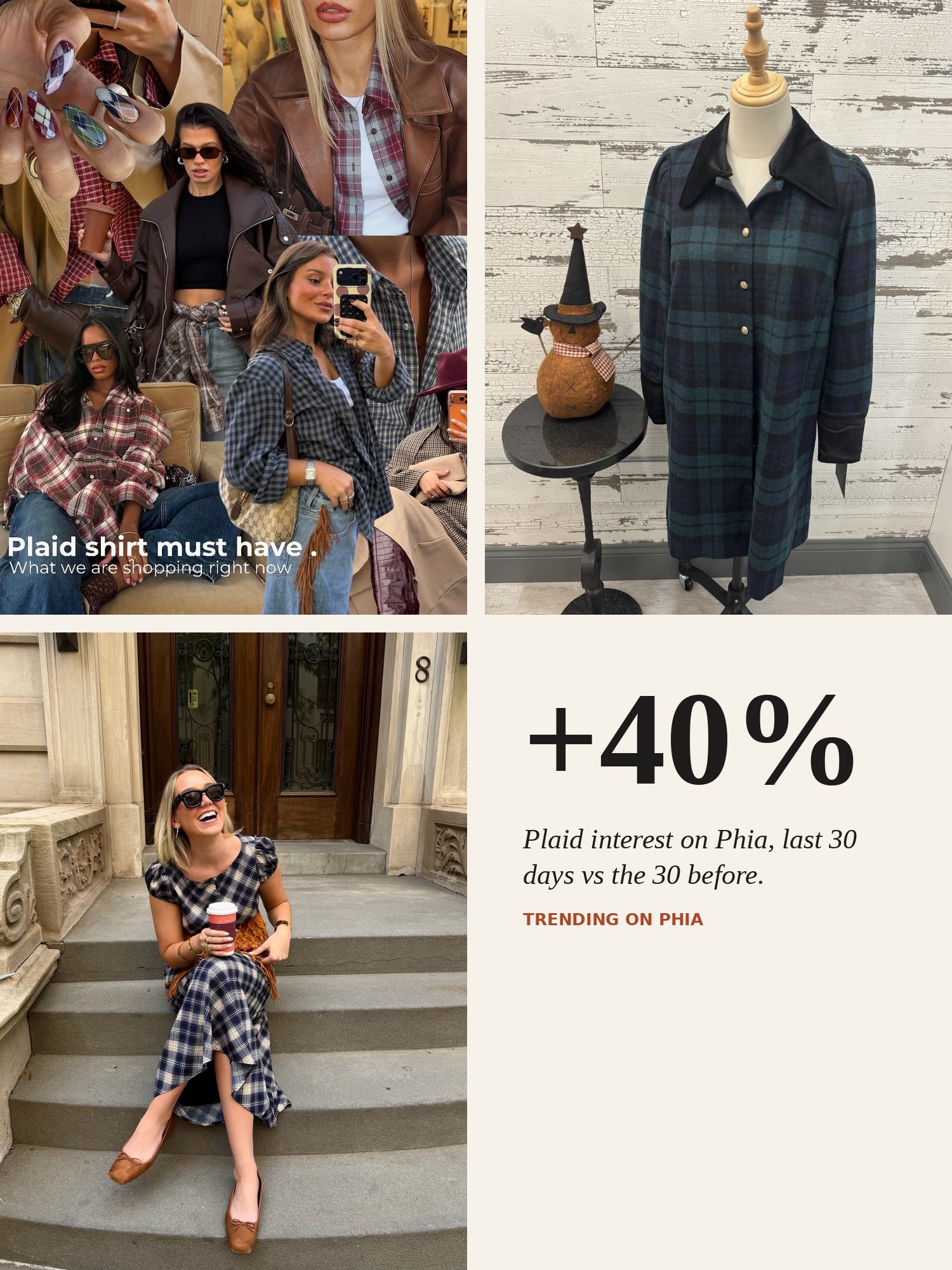
On Phia, interest in the pattern rose 39.6% in the last 30 days versus the 30 days before, and it is currently the fastest-rising print. But somewhere between the brushed flannel shirt, the pleated mini and the long coat, getting dressed has become a small negotiation. We are told to keep one print quiet and also to dress like an argument between two wardrobes. A check can be loud; deciding how loud is the real work.
Which brings me to Edinburgh in 1822, where Sir Walter Scott orchestrated George IV's visit and encouraged people to turn out “plaided and plumed.” It was a carefully staged cultural moment, not the beginning of the cloth's history. Still, the picture of a whole city answering a royal visit in pattern makes an excellent opening scene.
Some of its past makes me want a shirt with a story. Some of its variations make me want a plain coat, and some make me want to put the care label under a small lamp. So, here are five lessons for wearing an old pattern without dressing like a reenactment.
1. Flannel has a story of its own.
Flannel carries its own history before a color enters the story. Newtown Textile Museum traces Welsh flannel back centuries, with the name becoming more common in the 16th and 17th centuries. The shirt is not just a blank surface for a check; it is a fabric choice that gives the look a different starting point.
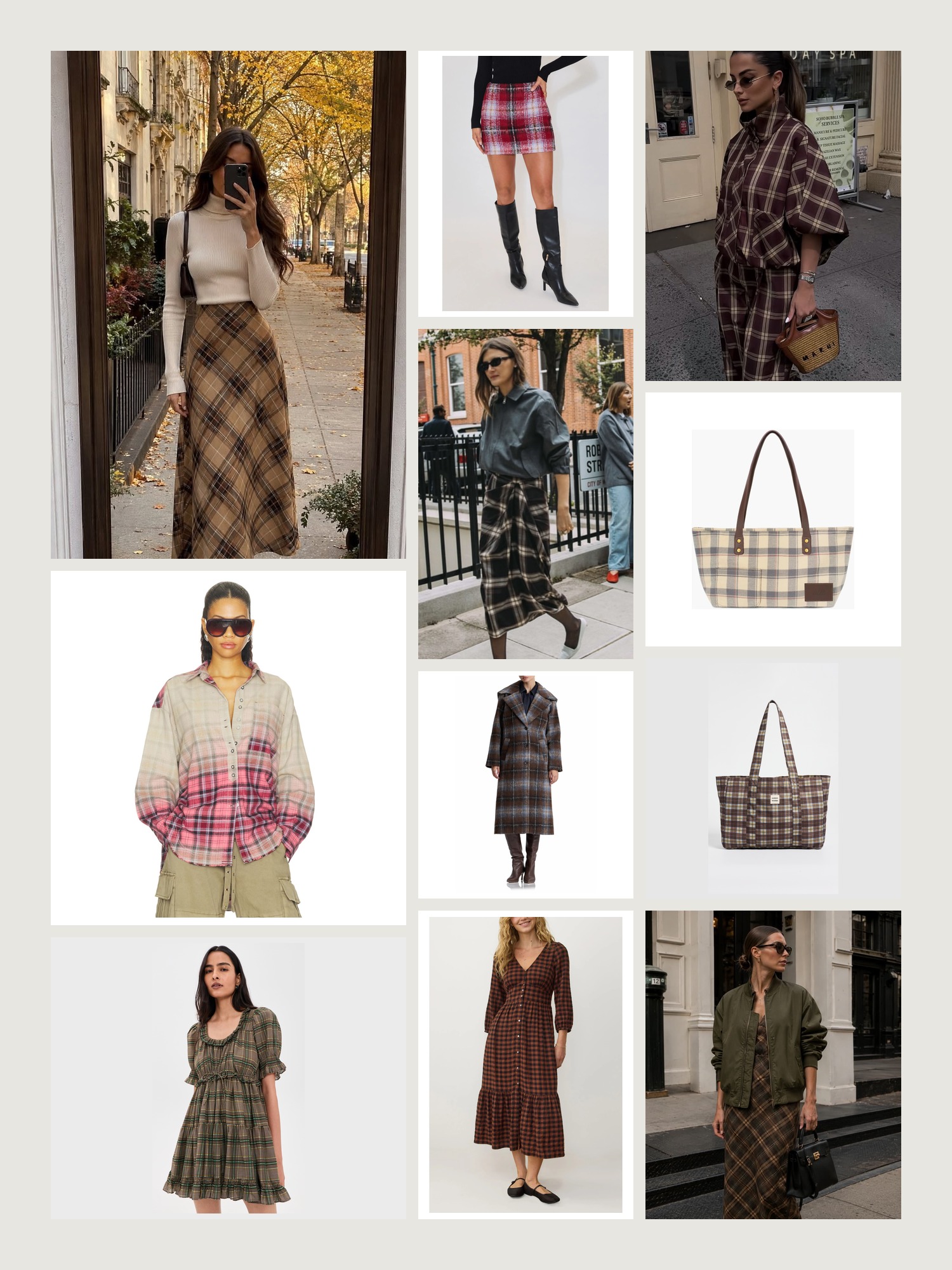
Elodie the Label's Henrietta is a midweight blend of polyester, rayon and spandex; Free People's Alexi is 100% cotton flannel with a chest pocket. Frankies Bikinis' Montana uses snap buttons, while Tularosa's Alma is a lighter flannel that calls for hand washing. They are all checked shirts, but they do not have the same assignment.
Cissa's Classic Shirt and One Teaspoon's patchwork flannel bring in different pocket and closure details. Rails' Joelle is semi-sheer jersey with a cinched waist, and Good American's Patch Pocket Shirt is lightweight cotton. I would choose the base layer first, then decide whether I want extra texture, a pocket, or a little color at the cuff.
My test is to hold a shirt over the jeans and plain tee already in your weekly rotation. What I would skip: putting a second busy print beside it unless the colors repeat clearly. The shirt can be the whole story, although a good cuff is a persuasive argument.
Plaid and flannel shirts and shackets


2. Pleats make a pattern feel different.
Pattern names are younger than they look. Before the early 19th century, people wore tartan according to what they liked or what was available; Wilsons of Bannockburn began naming civilian patterns after towns, regions and notable people in the late 18th century. The familiar clan tartan idea was formalized by the Highland Society of London in 1815. That is a useful reminder that getting dressed has always involved personal choice.
Phia shopper data shows interest in this print rose 86.1% over 90 days. I can see the appeal of a skirt that does its own composition, especially when the color story does not require a whole matching set.
All in Favor's red pleated mini has a clean waistband; VICI's Margaret is a burgundy side-zip mini; Princess Polly's Cartmel maxi is black-and-cream, button-front and elastic-waisted; Free People's Ives is a lined cotton maxi with subtle pleats. Vince's satin slip adds picot trim, while Elodie the Label's Henrietta and Rowing Blazers both use pleated mini proportions. Nike's golf skirt gives the category a stretch-knit version.
My test is to try a tucked-in sweater and the same top untucked, then check where the waistband and hem land. What I would skip: choosing a short skirt before deciding how much leg you want to show. Sometimes a check needs length, sometimes it needs room to move. It never needs a matching blazer on principle.
Plaid skirts

Pleated Plaid Flannel Miniskirt
All in Favor
$55

Margaret Plaid Miniskirt
VICI Collection
$43.5

Cartmel Check Maxi Skirt
Princess Polly
$65

Ives Plaid Maxi Skirt
Free People
$148

Plaid Slip Skirt
Vince
$398

Henrietta Pleated Plaid Skirt
Elodie the Label
$98

Plaid Pleated Skirt
Rowing Blazers
$96.6

Women's Golf Plaid Skirt
Nike
$57
3. A big coat carries the backstory.
The story is more complicated than the shorthand that tartan was simply banned. The Scottish Tartans Authority says the Dress Act applied to men and boys in the Highlands, with exclusions; enforcement varied, and the ban was generally obsolete by about 1770. That history gives a large check a little more dimension than costume.
Favorite Daughter's City Blazer is a lined wool blend with two buttons; Avec Les Filles' long coat puts the pattern around a wide collar. Abercrombie's wool-blend blazer reads like menswear suiting, while its barn jacket combines recycled wool with a corduroy collar. Each choice changes the scale of the story.
Moon River's belted coat brings in a contrast collar, Z Supply's Crosby takes a cocoon shape, and Free People's Chelsea jacket trades lapels for a funnel neck. Lotty Soko's band jacket adds shoulder-tab details to a collared front, so I would let that finish set the mood before adding more details.
My test: wear the coat open over one solid color, then closed over two; see where the main vertical lines fall. What I would skip: asking one coat to make every part of the outfit interesting. A coat like this is a room with its own furniture, and I like leaving it a little space.
Plaid coats, jackets and blazers

The Plaid City Blazer
Favorite Daughter
$398

Plaid Wide Collar Coat
Avec Les Filles
$248

Classic Wool-Blend Blazer
Abercrombie & Fitch
$150

Wool-Blend Barn Jacket
Abercrombie & Fitch
$180

Contrast Collar Plaid Coat
Moon River
$150

Crosby Plaid Cocoon Coat
Z Supply
$210

Chelsea Plaid Funnel-Neck Oversized Jacket
Free People
$198

Lotty Soko Plaid Band Jacket
Free People
$248
4. Let the dress choose its decade.
History looks less like a museum label when you remember that the V&A's ca. 1845 dress was made from silk satin in a tartan pattern and hand-sewn. The museum notes that these fabrics were fashionable partly because of Walter Scott's novels and Queen Victoria's recent Balmoral residence. The pattern had already left the Highland cloth and entered an English wardrobe.
Reiss's Clara is an asymmetric wool-blend dress; Marine Layer's Maeve maxi has front buttons and a smocked back. COS uses a checked wool blend in a long shirt dress, and SEROYA's Megan mini adds corduroy trim and a self-belt. Sea's Charly is a cotton mini with a drawstring waist, while Another Girl places a contrasting panel against its checked midaxi. They are different answers to the same styling question of whether the print wants a long line or a defined waist.
English Factory's pink gingham has puff sleeves and a seersucker finish; THE GREAT.'s drop-waist dress uses a cotton slubbed weave. If you are choosing between lengths, take a quick sit test and see where the hem and waistline land before you imagine a day in it.
What I would skip: picking by pattern alone when neckline, sleeve and waist will decide whether you reach for the dress. A print can get you through the door, but the cut decides if you come back.
Plaid dresses

Clara Glen Plaid Asymmetric Hem Wool Blend Dress
Reiss
$468

Maeve Plaid Long Sleeve Maxi Dress
Marine Layer
$168

Checked Wool-blend Shirt Dress
COS
$169

Megan Dress in Black Plaid
SEROYA
$498

Charly Plaid Mini Dress
Sea
$350

Contrast Check Panel Midaxi Dress
Another Girl
$159

Gingham Check Midi Dress
English Factory
$150

The Drop Waist Dress
THE GREAT.
$395
5. One small accessory can reset everything.
A small accessory is an easy place to study construction. National Geographic describes tartan as a two-over-two twill weave that creates interlocking stripes. Once I remember the design is built from repeated lines, I stop treating color as its only ingredient and start noticing the size of the repeat against the coat beside it.
Quince's Mongolian cashmere scarf is an oversized wrap; Petit Moments is lightweight polyester; Vismaya's 100% wool scarf is dry-clean only; LE BOP makes a midweight knit triangle. Damson Madder's cocoa-check canvas tote and Oddli's mini shoulder bag bring the same idea into bags, while Treasure & Bond's brushed check scarf and Coach's leather kisslock bag make the color do more work.
Woolmark's advice for woven wool garments is simple: brush lengthwise after wearing to lift surface soil, air them in fresh air, and hang them on shaped or padded hangers. It also recommends letting wool rest for 24 hours before wearing again. I would still read the label before taking any care rule as universal.
My test is to check the scarf's repeat beside a coat from a few paces away. What I would skip: wearing a scarf, tote and coat that all compete at once just because the colors match. A small piece can set the entire pace.
Plaid scarves, wraps and accessories


A pattern with room to move
A five-lesson wardrobe is really just five ways to decide what should lead: the cloth, the cut, a vivid check, a careful accessory, or the person wearing it. I still like a shirt that looks as if it has kept a few secrets; I just like knowing where the sleeves end.
Phia's print comparison puts animal print up 10.4% in the last 30 days versus the 30 days before. That sounds like a neighboring trend, not a reason to hand your outfit over to it.
Floral print fell 27.5% in that same 30-day comparison on Phia. I will still be tempted by another shirt with a check, another shade of red, another pocket. I know myself, and apparently I am very easy to persuade.